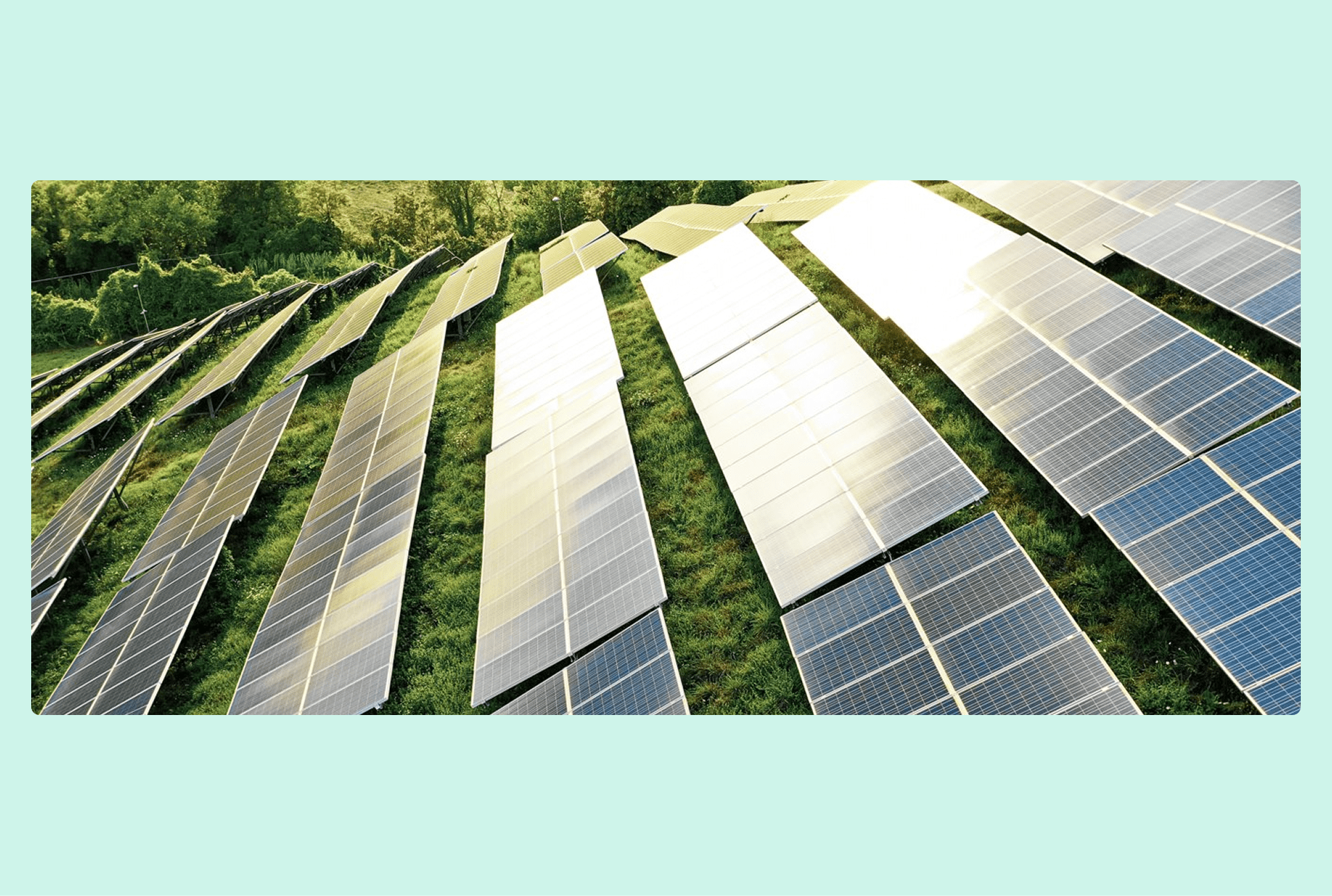
Solar Farm: How to improve the solar energy yield?
Solar Farm: How to improve the solar energy yield?
Do you know how to improve your PV solar energy yield?
It is common for us to see in solar parks that Greensolver manages that the actual solar energy yield deviates from the original forecast yield. However, a correct estimate of the yield on site is crucial for the correct design of the system and therefore the operational performance. This has a direct influence on the funding or value of the project.
How to measure solar energy yield?
The starting point for the design of every solar system is the calculation of the Global Horizontal Irradiation (GHI). GHI is the cumulative solar radiation over the year on a surface, usually expressed in kWh/m2. The GHI is primarily dependent on the location of the plant and the light intensity over the year. This can be modelled successfully on the basis of astronomical laws. However, the greatest uncertainty lies in the reduction of the solar radiation coming in by the atmosphere. This reduction is determined by location-specific, climatological and meteorological factors, such as, amongst others:
- Absorption by the atmosphere (ozone, oxygen, water vapour etc.)
- Scattering in the atmosphere (Rayleigh / Mie scattering)
- Reflection on the surface (albedo value)
What tools do you use to measure energy yield?
Modern solar PV design tools, such as PVSol and PVSyst, make estimates of these factors on the basis of satellite data, e.g. the PVGIS or NASA-SSE databases, which in turn are constructed from other datasets, including: GEOS-1, ISCCP D-1, GOES, POES, ISSCP, Meteostat. Despite relatively high reliability of the P50 and P90 values, the various tools often give significantly different outcomes. These differences are caused by the use of different datasets and algorithms.
In order to achieve a consistent and more reliable outcome, ‘long-term correlation’ is the keyword to look out for. Additional correlation can be sought with other local sources, such as weather data from meteorological institutes, weather stations, etc.
Another reliable alternative is correlation and extrapolation on the base of actual measurements on site. Correctly installed and calibrated pyranometers, with the current standard in solar, ISO 9060:1990, allow the local conditions to be measured accurately. On-site measurements can be performed on a horizontal basis or even, for a better approach, tilted to the panels’ inclination. With correct measurement, the margin can be reduced to 1% – 2%.
Summary
This enhanced reliability will lead to better P90 values for the project, which in turn will reduce project’s risk and provide better funding terms. Naturally, the performance of the measurement and analysis of the findings have costs attached to them. A location-specific assessment will have to be made in order to determine whether the benefits outweigh the costs.
Read more about how Greensolver can assist with your energy yield assessment needs here.