Mar. 10, 2026
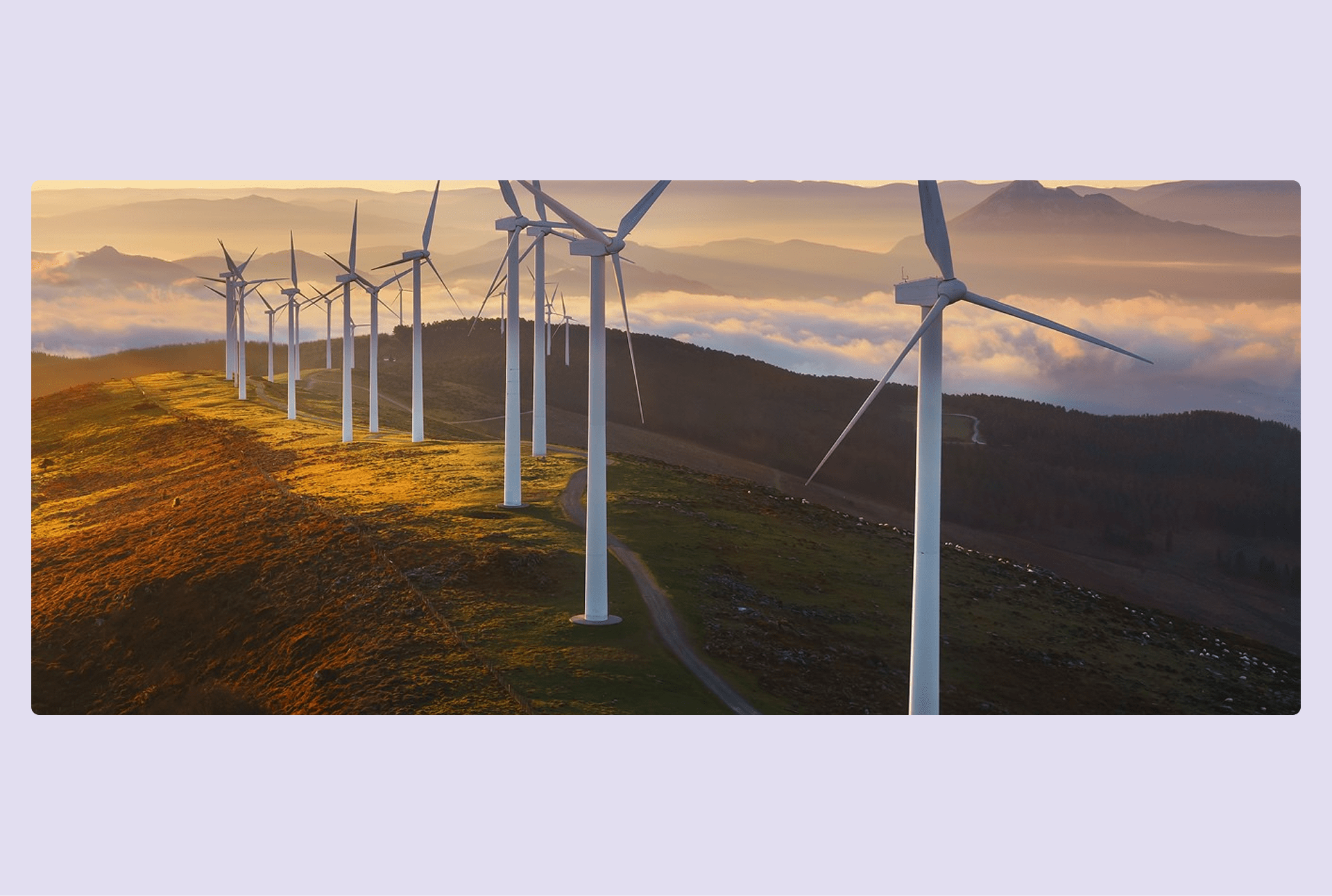
Wind Farm: blade’s leading edges erosion
As its name suggests, the leading edge is the blade’s part which enters first in contact with the wind and most susceptible to damage. It is naturally the most vulnerable part towards environment’s stress.
Every wind turbine located in an environment that includes abrasive particles like rain, snow, hail, dust or insects is a lot more subject to erosion than a wind turbine located in a place where those factors are absent. Moreover, the turbine’s size has not stopped increasing. Yet, the bigger the rotor’s diameter, the faster the blade’s tip speed, which increases the damage on the blades and leading edge.
Leading edge damage caused by the erosion will lead to aerodynamic losses and therefore to significant production losses.
The ORE Catapult research center, in partnership with Centrica, has carried out a measurement program on British offshore farms which allowed to evaluate a 1.5% to 2% production gain when leading edges are repaired on a regular basis. To reduce erosion on leading edges, most turbine manufacturers offer to protect leading edges by putting a coating on the wind turbines. However, laboratory tests seem to demonstrate that most anti-erosion coatings have only a limited capacity the support extreme conditions.
The anti-erosion coating’s limited lifespan represents a major issue for the wind industry, especially for the offshore industry. Indeed, the intervention for the repairing of an offshore wind farm’s coating can turn out as very expensive.
Therefore, investing in research for long lasting coating solutions is crucial.
The wind industry seems to have become aware of this issue. For example, LM – worldwide leader for blade procurement – has conducted an advanced reliability study over 1,300 leading edges spread over several sites. Following this study, LM has implemented more constraining test protocols which allows them to better understand the behavior of the materials that composes the blade during its lifespan. Those tests have allowed LM to develop a new coating in polyurethane that, according to them, improve the reliability of the leading edges performance by insuring a longer lifespan and lower maintenance costs.
In order to limit the blade related risks, Greensolver offers a large panel of innovative solutions. Bladesolver, in particular, is a complete solution for improving the performance and reducing the blade related costs. Do not hesitate to get in touch with out experts today!


Stay up-to-date with the latest news
Contact us