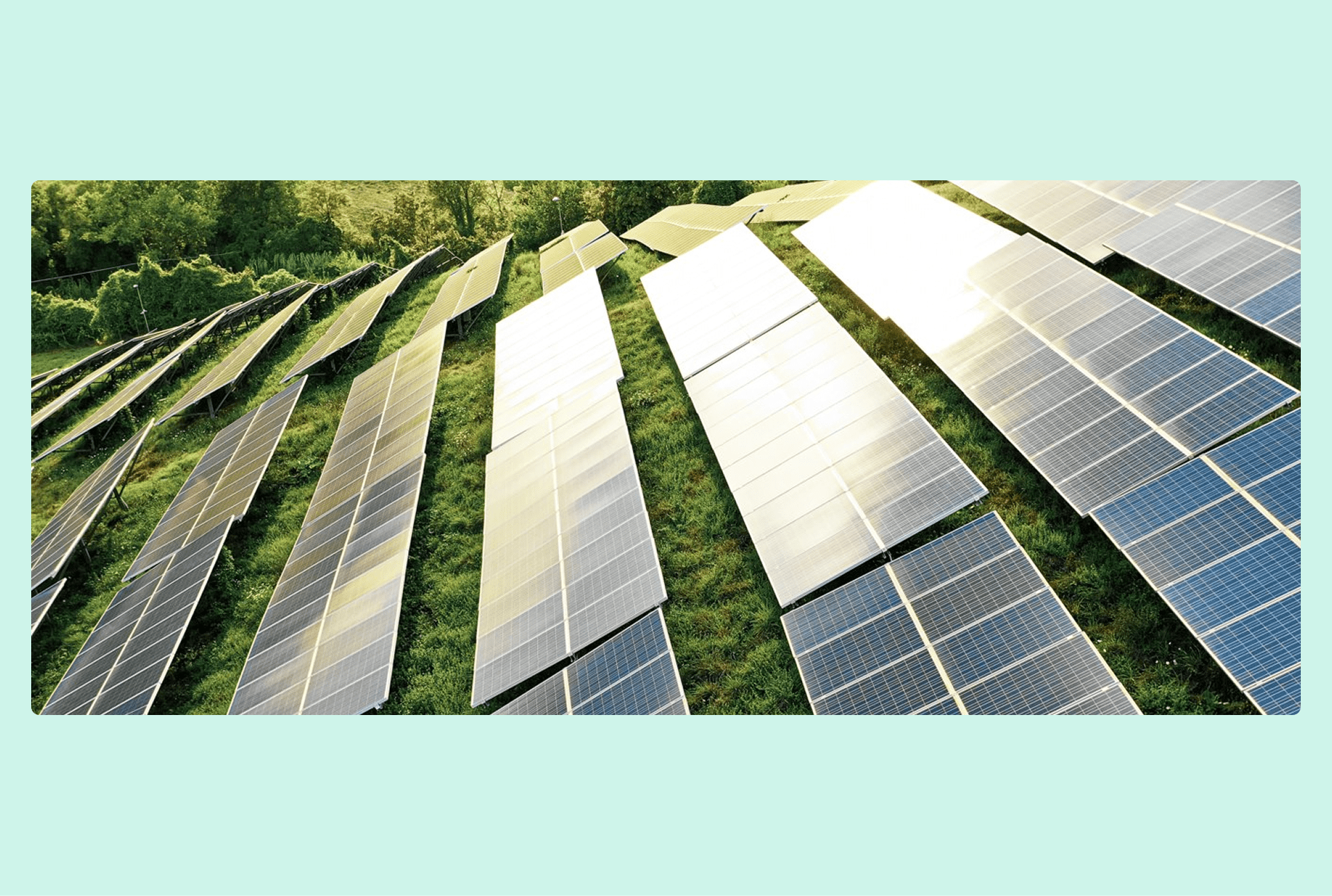
Solar farm with solar panels with grass Solar farm with solar panels with grass
Pv solar

Solar Panel Backsheet: How These Can Affect Your Solar Assets

Jul. 17, 2021
3 minutes

Solar Panel Backsheet: How These Can Affect Your Solar Assets

Solar panel backsheet degradation; a less known defect that could occur on your solar panels but less visible than other well-known defects, such as hot spots, PID, corrosion or cracks. However, solar panel backsheet degradation causes similar consequences: premature degradation of solar panels, thus affecting the LCOE.

What is solar panel backsheet degradation?

The solar panel backsheet is significant material of the solar panel. It is the last layer at the bottom of the PV module and is made up of a combination of polymers. It protects solar panels against environmental damage (ultra-violet radiation, humidity and vapor penetration, dryness, wind, dust and sand) and ensures that panels remain electrically insulated. The backsheet must have three critical properties in order to be protected for 25 years: weather ability, mechanical strength and adhesion.

Premature degradation of backsheets show up in waves and could be explained by the incredible expansion of the PV industry over the past decade (6 GW to more than 110 GW). The industry had to decrease the production cost of solar panels by using cheaper materials or through reducing the manufacturing time. A poor quality solar backsheet can thus cause:

  • system degradation
  • extra costs maintenance
  • replacements related to additional costs (claims, laboratory tests).

This degradation can be visible to the naked-eye and can take different forms. For instance, little cracks inside the sheets or white powder can be easily observed.

How to mitigate the effects

If your plant is affected, we recommend for you to replace the modules under warranty. Greensolver can support you to assess the degradation and the losses induced through;

  • leading I-V curve tests
  • IR thermal inspections
  • aging tests with specialised laboratory

We can then choose the best solution to limit the degradation and improve your LCOE.

How can Greensolver help?

In addition, Greensolver can also support your negotiation with solar panel manufacturers. To help you, here is typical information for you to obtain:

  • Choose a Tier 1 panel manufacturer – they are the leaders in the solar panel industry, and they tend to use premium materials in their solar PV panels.
  • Avoid solar PV panels that use non-UV resistant solar backsheets to minimise risk.
  • Ask for the solar panel certifications – typically UL (UL1703) or IEC (IEC61215 and IEC61730).
  • Find out when the solar PV panels were manufactured and how they are stored.
  • Make sure that the solar PV panels have serial numbers.
  • The warranty of solar PV panels and what the warranty does not cover.

To find out more about how Greensolver can assist in assessing degradation and choosing the right solar panel manufacturer, contact us now.

By Alison Aguile

Blog

The Latest Renewable Energy News

Solar panels with sheeps around like agri-pv

Agrivoltaics – Dual Land Use, New Incentives, and Market Opportunities

Handshaking by two women

Why will certifications become necessary in 2026?

Solar Panel with Blue sky

Grid Availability and Curtailment: The Hidden Drivers of Solar Asset Performance

Sun with ondulations in purple

Smart Coexistence: When Sheep, Solar, and AI Work Together

Team of people at a conference

Greensolver will be in Montpellier for Energaia – 10 of december

Battery energy storage open

What the Update to NFPA 855 Means for Energy Storage Safety ?

Battery energy storage open with cables

Tales of BESS #11 – Case study: Technical Due Diligence for BESS project: 17.75MW / 35.5MWh (FR) 

Battery energy storage contener

Tales of BESS #10 – Case study: Technical Due Diligence on two Greek BESS projects: Totaling 100MW / 200MWh (GRC) 

Solar farm with solar panels with grass

Safety Concerns in Single-Axis Tracker PV Plants: Risks and Mitigation Strategies

Resources and insights Solar Panel Backsheet: How These Can Affect Your Solar Assets