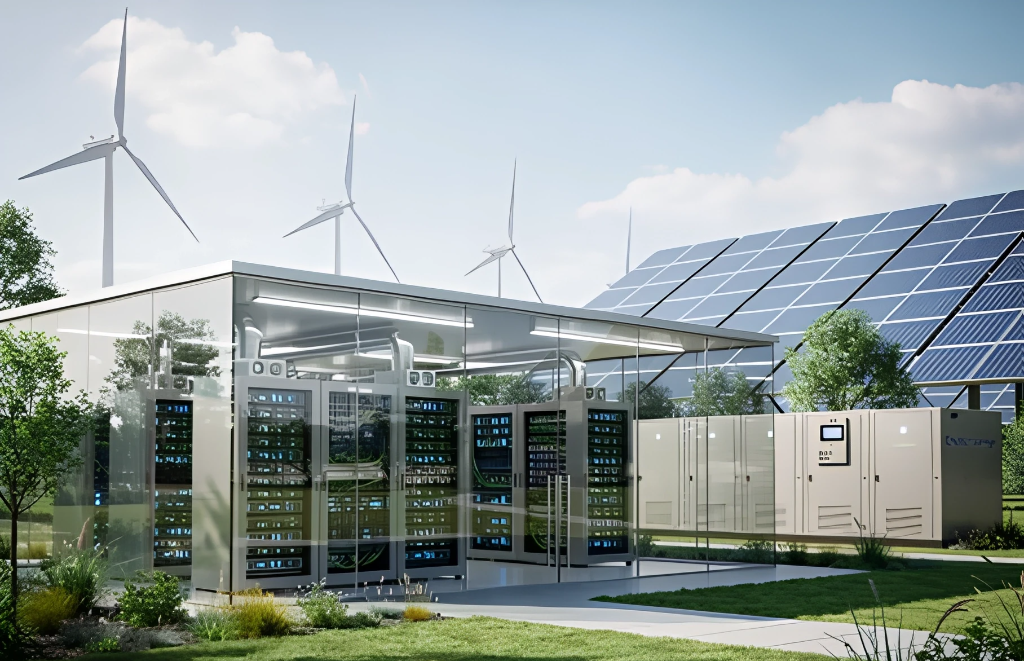
4 main principles of good O&M and the challenges of the future that service providers will have to understand
4 main principles of good O&M and the challenges of the future that service providers will have to understand
I have been working in the Renewables for thirteen years and came to learn about the main principles of O&M. The last four, part of executive teams of core service providers across all mainstream technologies.
Year after year I have witnessed the industry evolve and becoming more mature. However, I firmly believe that there are some underlining principals that despite the progress and changes have remained the same and apply to all service providers both on solar and wind.
There are also specific challenges that the industry face as it passes through the maturing level.
In this article, I will try to outline those underlining principals and the future challenges that we should understand.
Main Underlining Principals for Service Providers
I could outline four underlining principles of effective O&M. Every professional service provider should:
- Lead with Health & Safety
- Maximise Production
- Communicate Effectively and Be Transparent
- Invest in its People
Developing a strategy which addresses all of these four principals will result in a highly competitive and efficient organisation.
Health & Safety is paramount to minimise accidents, downtime, ensure compliance and generally to protect the interested and responsibilities of the clients, including all corporate investors and directors.
The obvious one is to maximise production by being proactive with maintenance and resolve critical issues as soon as they arise. Service Providers can achieve this by using the latest technology and having dedicated accountable people who take full “ownership of the projects”.
Communication is critical in a linear asset control and management environment. Only with transparent, two-way information exchange, one ensures timely flow of information available to all stakeholders. As a result, parties build trust, understand the specific challenges and requirements better and safeguard the aligned interests of all parties.
Moreover, the one that we tent to overlook, investment in People. Service provision is people-centric. All the other points mainly depend on the performance and diligence of the people that provide a specific service or form a link in the service provision chain. We often neglect or sacrifice people due to pressures on the market and the costs. People at all levels within service organisations are overworked and underpaid. A key indicator of this is the very high employee turnover rate within the industry. The sector needs to invest, develop standard and skills and try to share and capture knowledge that resides in individuals. The bottom line is that part of what we sell is our expertise.
The Service Industry is evolving and maturing as the sector grows
In the past few years, we have witnessed the service industry evolving and maturing, the main principles of O&M are the foundation of best practices in the sector. Any established supplier should ensure that the principals described above are well developed within the strategy. However, technology, advanced analysis of data and efficient, intelligent operations are the new challenges and at the same time present enormous opportunities for forward-thinking companies.
Leading providers have invested in state-of-the-art monitoring centres, with mobile service apps and 24/7 monitoring capability on solar and wind assets. They have built in-house capabilities for HV, H&S, land management/agronomy, utilise the latest SCADA systems, GPS lone worker and fleet trackers systems, high-tech drones and thermal imaging equipment for preventative maintenance and quick identification of issues. All these enabling technologies and tools support the principals stated above but also create cost pressure especially on service providers with no significant scale.
Many people ask, what is the ideal scale of an organisation before start enjoying the benefits of all these tools and processes that they implement with a significant investment of time and money?
I wish I had the answer. However, from practical experience, we can observe some tangible, quantifiable benefits when a service organisation reaches the 1.5 -1.8GW of assets under management. The rule of thumb here is the more, the better. There are very few global service providers that have portfolios that exceed those levels or even higher at 3 or 4GW.
How is the future shaping up?
Sometimes we get caught in less meaningful discussions about increased system integration, for instance, flow of data, faster response and resolution times, losing sight of the critical issue that the industry faces in the immediate future. Scale.
Scale becomes a more apparent issue when you start comparing gross global investment between renewables and the rest of fossil-based energy sources. One of the key challenges of everyone working within the sector is how to enable an increasing number of investments on clean generation technologies and shift the balance towards Greentech. A single enabling factor for scale is the effective use of information and evidence-based decision making. If we put it in simple terms, the use of AI and new advance data analytics further de-risks investment and creates an attractive proposition especially in times of economic uncertainty and high politic pressure for environmental action on a global level.
Author: Ypatios Moysiadis
The Latest Renewable Energy News

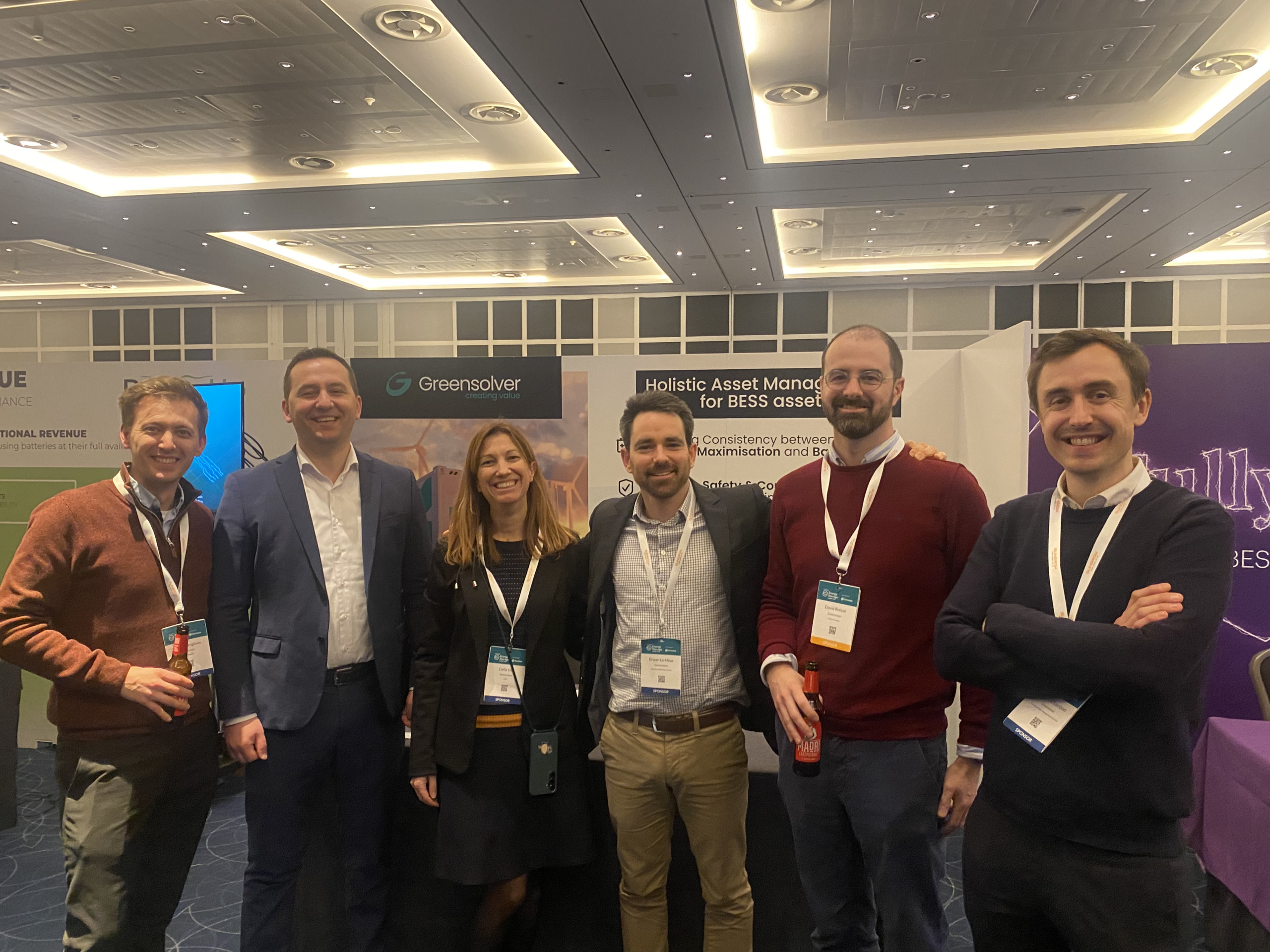


Greensolver will participate in the Energy Storage Summit 2026 in London – February 24 & 25