Wind turbine performance is impacted by atmospheric stability
Wind turbine performance is impacted by atmospheric stability
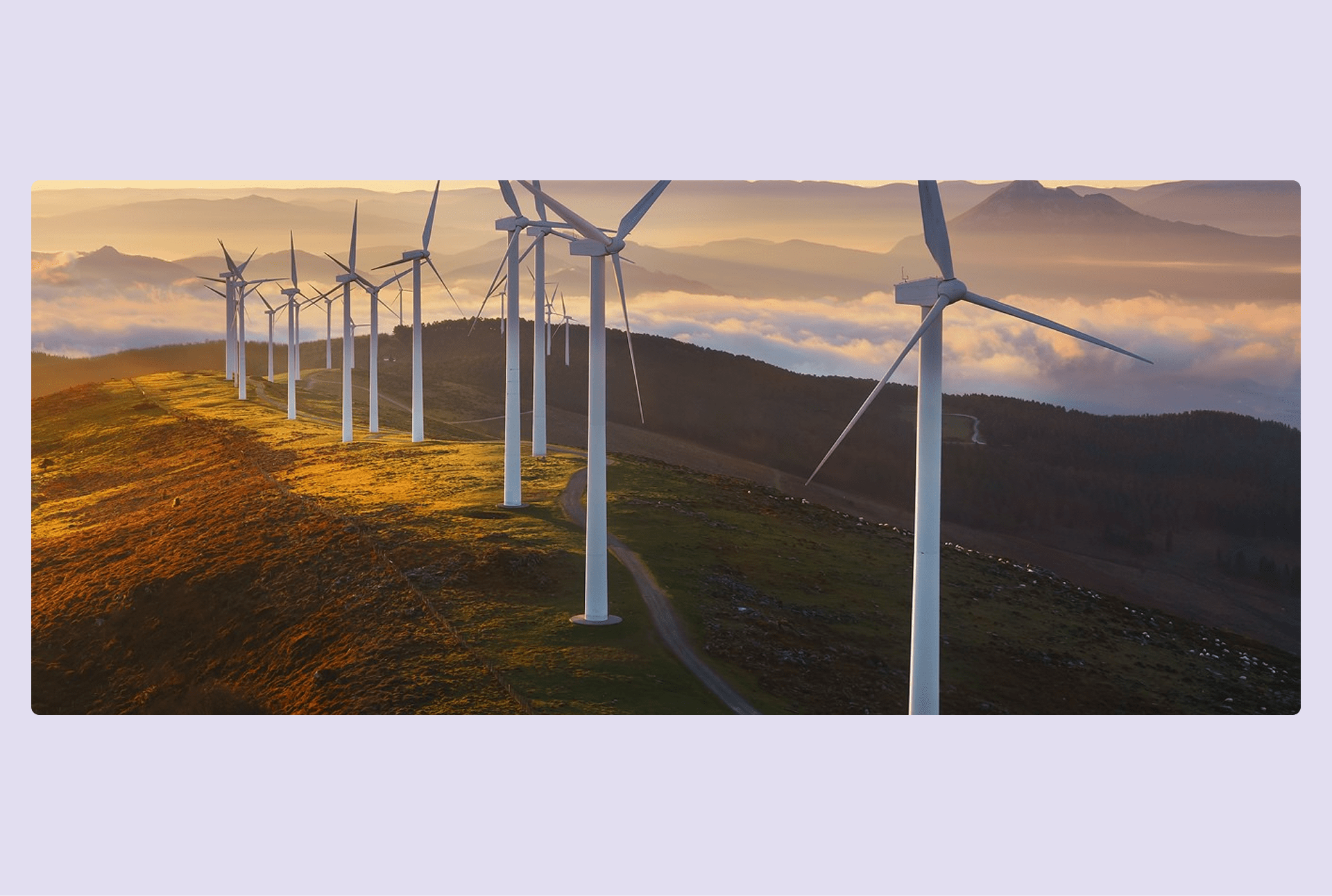
The impact of atmospheric stability on wind turbine performance is reviewed and the conditions for production estimates are investigated.
It is no news that wind turbine performance fluctuates between the winter and summer months, with wind production increasing considerably during winter time, and getting lower during summer time. A difference of 5-10% between the power curves can be observed, and it can even exceed this percentage.
This happens due to a number of factors, such as the effects of wind shear, turbulence and atmospheric stability. As a result, production estimates can be highly uncertain for wind assets throughout the year. Depending on atmospheric conditions, wind turbines often operate in far from ideal conditions and actual power curves may be very different from those certified.
Atmospheric stability is a measure of vertical turbulence in the atmosphere (near the Earth’s surface) that reflects the extent to which the vertical motion of air in the atmosphere is strengthened or suppressed. Vertical movements are reinforced in an unstable atmosphere. The unstable layers of vertically moving air (up or down) are therefore amplified. Stable air layers therefore tend to remain at their altitude.
Studies have shown that the power generated at a given wind speed is higher in stable and lower conditions under conditions of high convection – the average power difference is around 15%. During periods of stable conditions, more wind power is produced than during periods when conditions are unstable. Or that, an estimated annual production without filter on atmospheric conditions or turbulence is greater than any production calculated with these filters. The effects of these atmospheric parameters can therefore be considerable.
Data analysis is therefore key to understand how operational wind farm perform throughout the year. If you are unsure about how to analyse and maximise your renewable energy asset performance, get in touch with our team of accredited experts now. Alternatively, visit our operations page, which details all of the technical asset management services Greensolver can provide.
Marion Cayla – Technical Asset Manager
The Latest Renewable Energy News


Greensolver will be at 27th Annual Submit of French Renewable Energy Trade Association – 29th of September