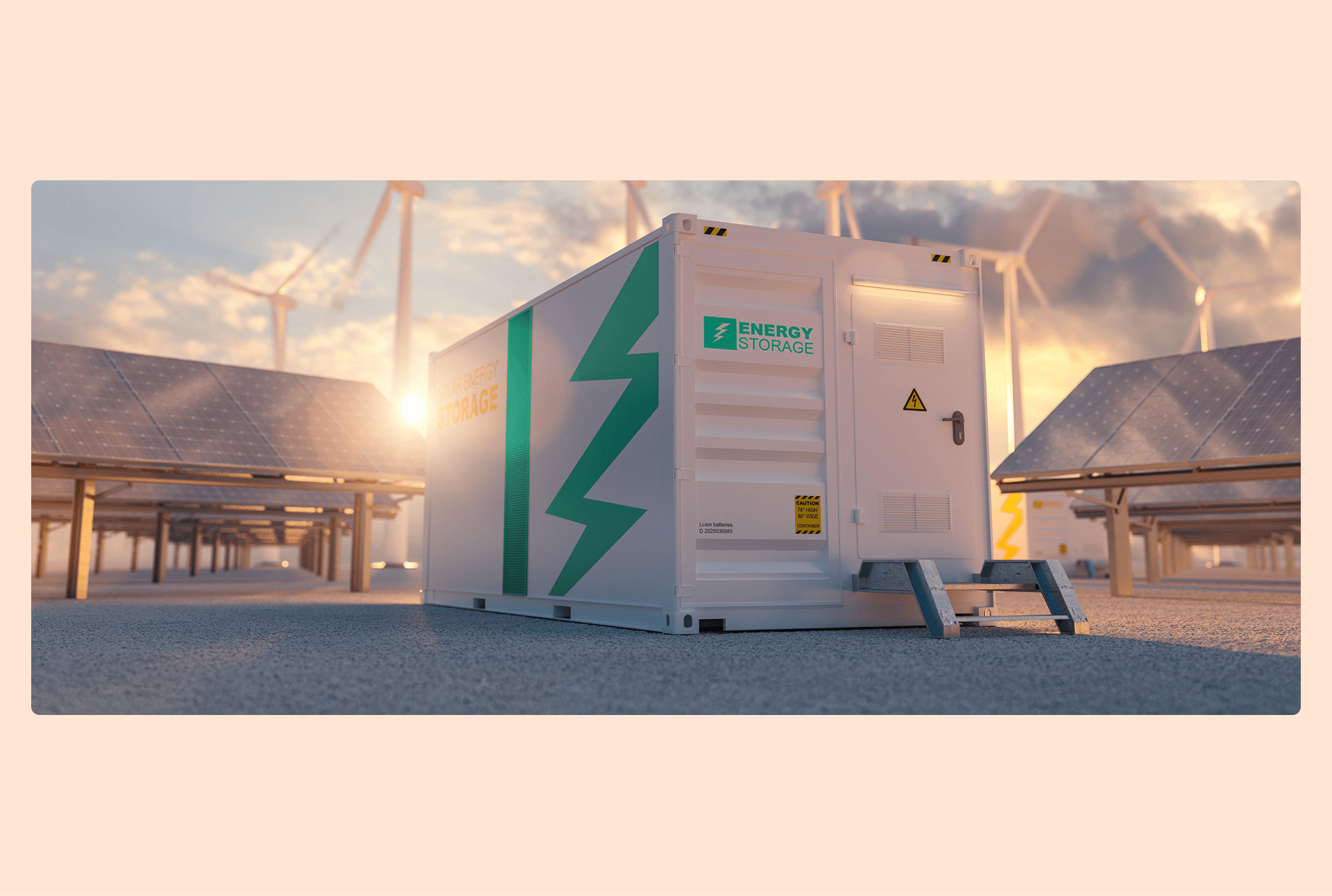
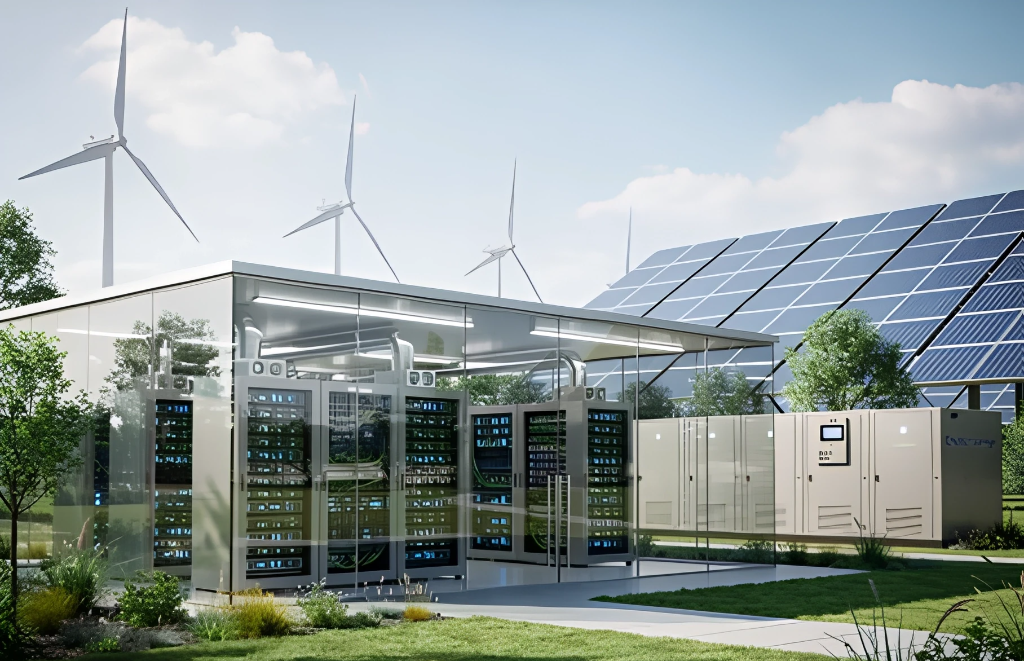
battery energy storage system with solar panels and wind turbines behind battery energy storage system with solar panels and wind turbines behind
Bess

What happens if there is a fire on your BESS site?

Aug. 18, 2025
3 minutes

What happens if there is a fire on your BESS site?


At Greensolver, we don’t leave it to chance – we prepare.
Even with robust fire detection and suppression systems, in addition to strict operating parameters, the risk of fire remains very real. In light of this risk, we at Greensolver work with local fire authorities. Together, we ensure that emergency response and fire plans are not just tick box exercises, but rather valuable tools that ensure fires – plus rescue events – are confidently tackled.
By partnering with the local fire service for a fire and rescue drill, we aimed to do three things. First, to put our emergency plan to the test. Second, to boost our team’s readiness. Third, to make sure our engineers and local firefighters can work together smoothly if the worst should ever happen.
The technical team gained valuable insights from the fire department’s feedback. From this, we have refined our Emergency Response Plan, stress-tested our procedures, and strengthened coordination for remote support.
Running drills like this brings value to not only our technical teams, but also to the local fire authority. It enables joint planning, realistic scenario walkthroughs, rescue practice, and greater familiarity with a technology that firefighters will increasingly encounter in the years ahead.
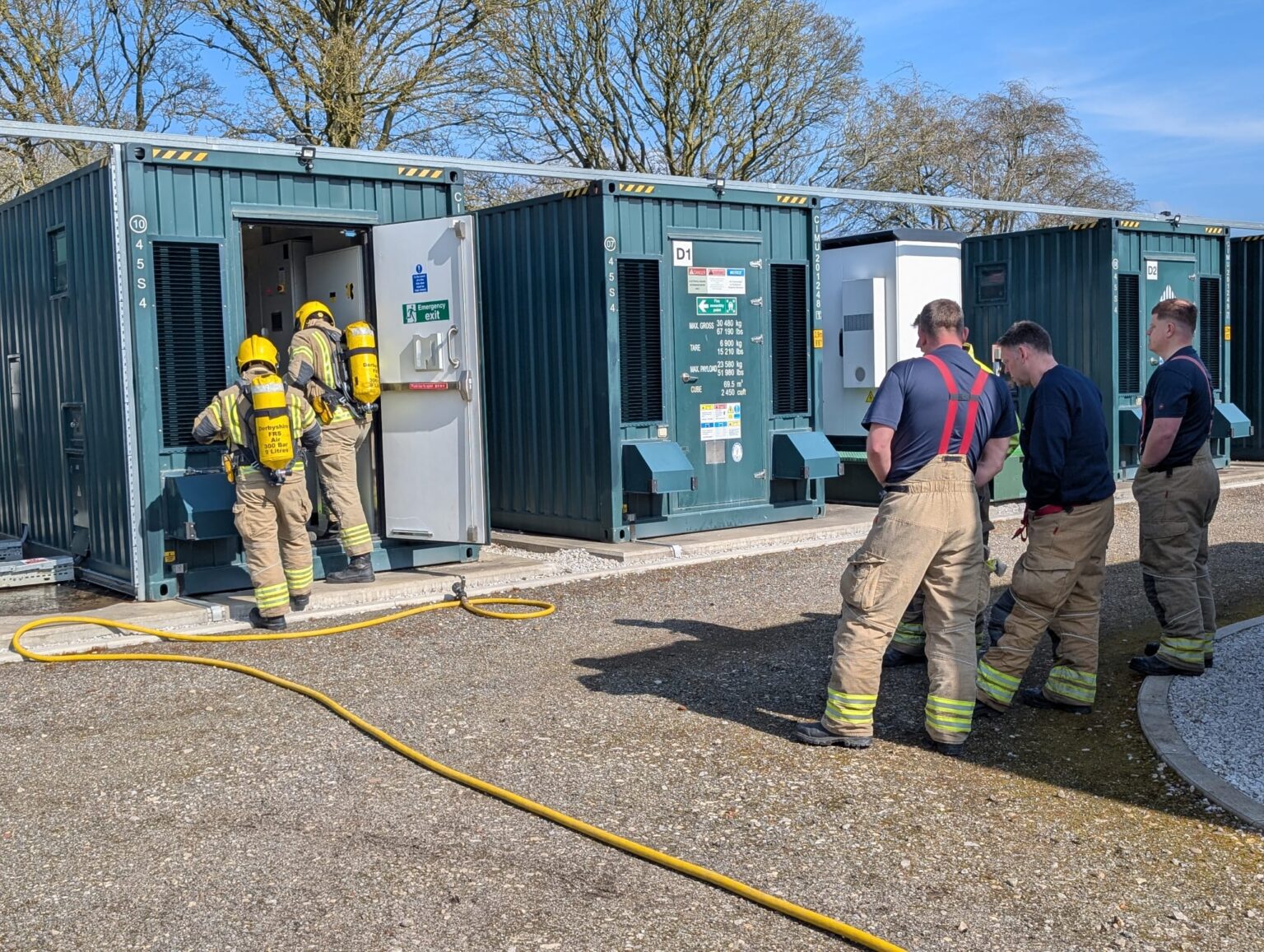
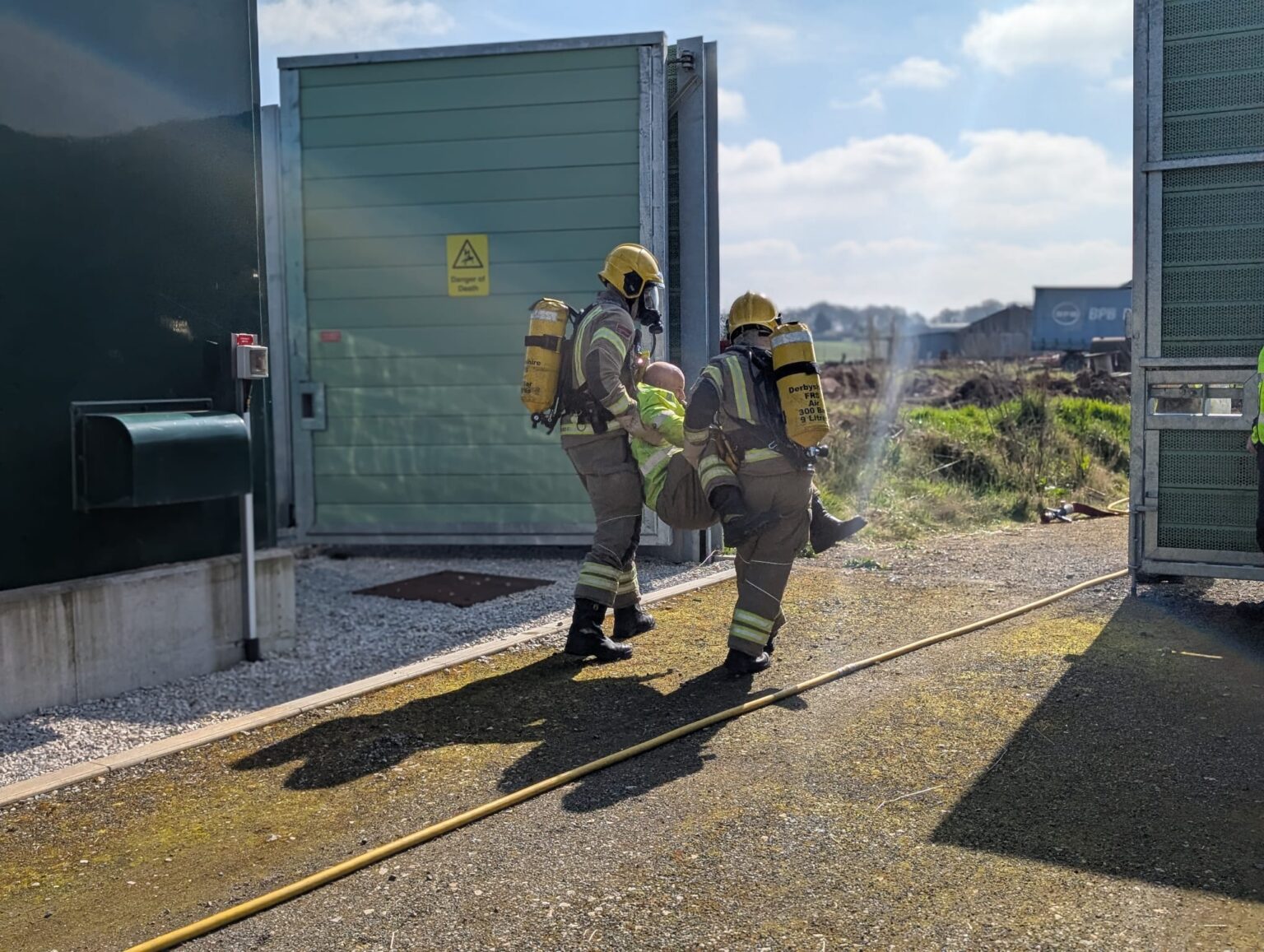
During the drill, the fire crew practiced multiple scenarios – from navigating secure site access as first responders, to carrying out a rescue from a BESS container. These exercises helped the firefighters gain familiarity with a number of aspects, including:
  • Site entry points;
  • The Premises Information Box (PIB);
  • Potential chemical hazards.
Fire drill training 2
Fire drill training
Fire drill truck
Together, this knowledge builds confidence and ensures the department can manage incidents safely, ultimately protecting everyone working on site.
Greensolver believes that safety doesn’t stop at the fence line. It extends to our teams, our partners, and the communities we operate in. Collaborating with local fire services is just one way we ensure that our sites are prepared, our people are protected, and our neighbours are kept safe. As the BESS industry grows, we all have a role to play in raising the bar for safety and community trust.
Many thanks Derbyshire Fire and Rescue Service, as well as the Belectric team for facilitating and ensuring the drills ran safely. Our thanks also go to the landowner for being a part of the process and allowing all the trucks to fill their yard!
We would love to hear how others in the storage sector approach fire safety planning and emergency drills. If you have best practices to share – or want to learn more about how we run our drills – please reach out or share your thoughts below. Together, we can make our industry safer for everyone.
Written by David Pursglove
Blog

The Latest Renewable Energy News

Handshaking by two women

Why will certifications become necessary in 2026?

Solar Panel with Blue sky

Grid Availability and Curtailment: The Hidden Drivers of Solar Asset Performance

Sun with ondulations in purple

Smart Coexistence: When Sheep, Solar, and AI Work Together

Team of people at a conference

Greensolver will be in Montpellier for Energaia – 10 of december

Battery energy storage open

What the Update to NFPA 855 Means for Energy Storage Safety ?

Battery energy storage open with cables

Tales of BESS #11 – Case study: Technical Due Diligence for BESS project: 17.75MW / 35.5MWh (FR) 

Battery energy storage contener

Tales of BESS #10 – Case study: Technical Due Diligence on two Greek BESS projects: Totaling 100MW / 200MWh (GRC) 

Solar farm with solar panels with grass

Safety Concerns in Single-Axis Tracker PV Plants: Risks and Mitigation Strategies

battery energy storage system with solar panels and wind turbines behind

Tales of BESS #9 – Case study: Technical Due Diligence on two Greek BESS projects: Totaling 200MW / 400MWh (GRC)

Resources and insights What happens if there is a fire on your BESS site?