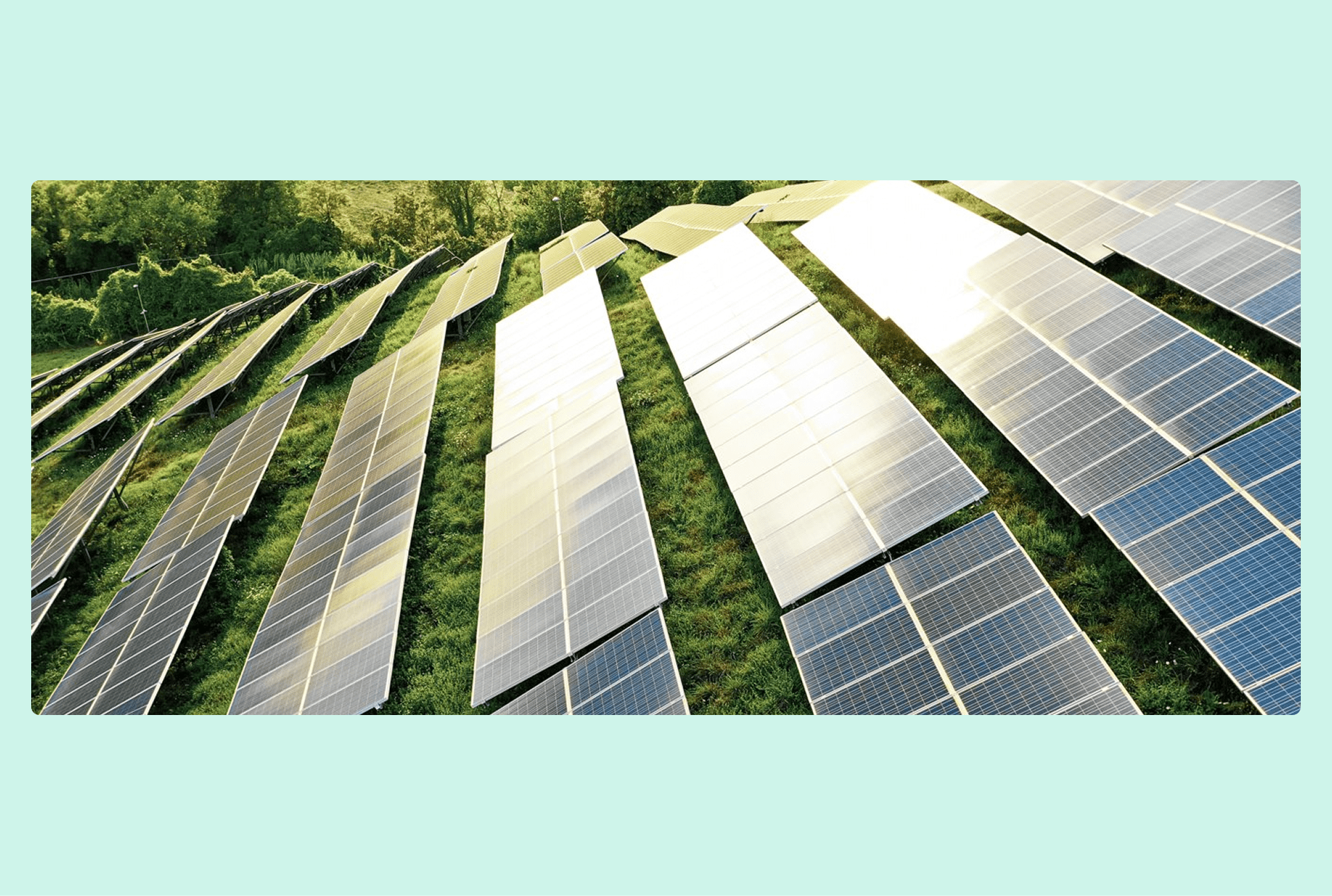
Solar farm with solar panels with grass Solar farm with solar panels with grass
Pv solar

Seasonal Challenges and Opportunities in Single-Axis Solar Tracking Systems

Feb. 18, 2025
5 minutes

Seasonal Challenges and Opportunities in Single-Axis Solar Tracking Systems

Solar energy production is highly dynamic and influenced by system design and environmental factors. One significant aspect of solar energy generation is the seasonal variation in production, which can be especially pronounced in systems that use single-axis trackers. These trackers can follow the sun’s path (e.g. from east to west), adjusting the panel’s tilt to optimize solar capture throughout the day. However, as the angle of the sun changes with the seasons, production also fluctuates.

How Seasonal Variations Affect Solar Production

  1. Sun’s Lower Path in Winter
    • During the winter months, the sun takes a much lower path across the sky, resulting in less direct solar irradiation at solar panel surfaces. This lower angle can lead to row-to-row shading, where one row of panels shades another, especially in systems with closely spaced trackers. This reduces the amount of energy captured in the middle of the day when the sun is low.
  1. Tracker Geometry and Design Limitations
    • Single-axis trackers that pivot from east to west are designed to capture maximum sunlight throughout most of the year. However, they do not fully adjust to the lower solar angles during the winter solstice. As a result, these trackers may not optimize their alignment with the sun during the shorter days of winter, leading to reduced energy production.
  2. Impact of Backtracking Algorithms
    • To mitigate shading, backtracking algorithms are often employed in tracker systems. These algorithms adjust the tilt of the panels to prevent shading caused by other rows. However, even with these adjustments, the performance is still influenced by the position of the sun in the sky, particularly during winter when the sun is lower. Backtracking algorithms are more effective in higher sun angles during the summer and fall months.


Global Impact and Geographical Considerations

The effects of seasonal variations in solar production are not limited to any specific region. While these variations are more pronounced in areas with extreme seasonal changes in solar angles, such as Europe, Canada, and parts of North America, regions in the Southern Hemisphere, such as Australia, South America, and southern Africa, also experience these fluctuations, but at different times of the year due to the opposite seasonal cycle.

In contrast, regions closer to the equator, where solar angles do not vary as drastically throughout the year, may experience less seasonal fluctuation in production. However, the principles of row shading, tracker design limitations, and the need for backtracking remain globally relevant.

Optimizing Tracker Performance in Winter Months

For solar operators, understanding and mitigating the effects of seasonal changes can significantly improve energy production and system efficiency.

  1. Monitoring and Data Analysis
    • It is crucial to monitor the performance of solar parks and correlate it with solar angles and irradiance levels throughout the year. Analyzing data from past years can help predict and account for the seasonal dip in production.
  2. Shading Assessments
    • Operators should regularly assess shading between rows of panels, particularly during winter, when the sun is at its lowest. Using tools such as midday photos can help detect potential shading caused by the low angle of the sun and inform adjustments to layout or tracker settings.
  3. Design Considerations
    • For new installations, optimizing row spacing and considering higher tilt angles may reduce shading during low-sun periods. Additionally, using advanced tracking systems with more precise control algorithms can help improve production even during the winter months.

Conclusion

Seasonal variations are an important consideration for any solar park, particularly those with single-axis trackers. As the sun’s path changes throughout the year, these systems must adapt to ensure optimal energy capture. By understanding these seasonal effects, solar operators can make informed decisions to enhance the efficiency of their systems. Whether it’s through monitoring, adjusting tracker settings, or designing for the unique conditions of each location, proactive management can help ensure maximum performance year-round.


Written by Natasha Réveilhac

Blog

The Latest Renewable Energy News

Handshaking by two women

Why will certifications become necessary in 2026?

Solar Panel with Blue sky

Grid Availability and Curtailment: The Hidden Drivers of Solar Asset Performance

Sun with ondulations in purple

Smart Coexistence: When Sheep, Solar, and AI Work Together

Team of people at a conference

Greensolver will be in Montpellier for Energaia – 10 of december

Battery energy storage open

What the Update to NFPA 855 Means for Energy Storage Safety ?

Battery energy storage open with cables

Tales of BESS #11 – Case study: Technical Due Diligence for BESS project: 17.75MW / 35.5MWh (FR) 

Battery energy storage contener

Tales of BESS #10 – Case study: Technical Due Diligence on two Greek BESS projects: Totaling 100MW / 200MWh (GRC) 

Solar farm with solar panels with grass

Safety Concerns in Single-Axis Tracker PV Plants: Risks and Mitigation Strategies

battery energy storage system with solar panels and wind turbines behind

Tales of BESS #9 – Case study: Technical Due Diligence on two Greek BESS projects: Totaling 200MW / 400MWh (GRC)

Resources and insights Seasonal Challenges and Opportunities in Single-Axis Solar Tracking Systems