Mar. 10, 2026

Potential Induced Degradation (PID) – What is it?
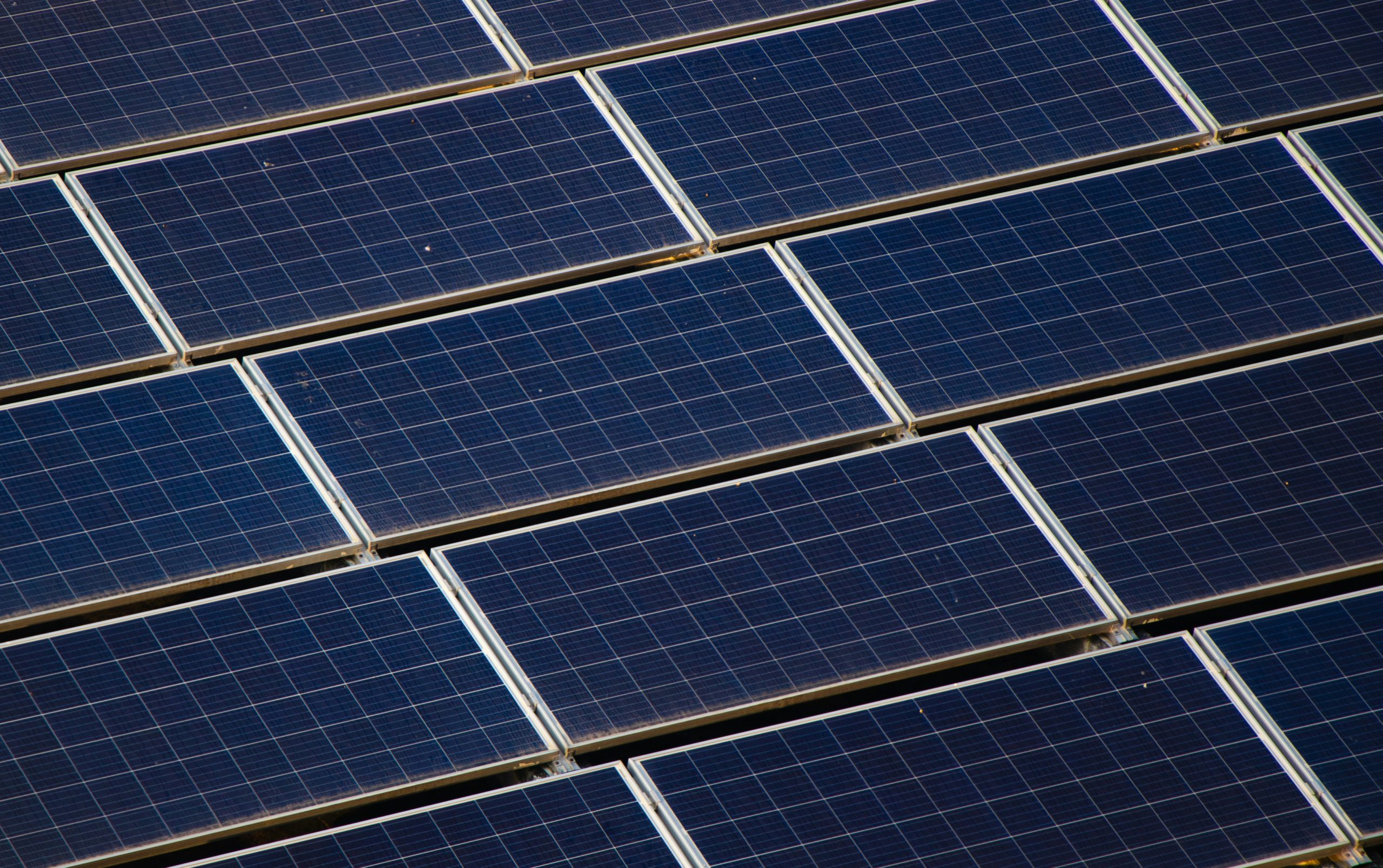
Potential Induced Degradation (PID) is due to a high potential difference between the semiconductor material (cell) and other parts of the module (glass, mount or aluminium frame). This potential difference creates a current leakage, resulting in the migration of negative and positive ions. Negative ions flow out via the aluminium frame, whilst positive ions (sodium ions) migrate to the cell surface. These “pollute” the cell by reducing its photovoltaic effect, leading to power losses. PID effects can be responsible for power losses of up to 20% and the effects are not immediately noticeable – it can take several months to a few years.
The PID is closely linked to environmental factors (humidity, temperature) and the configuration of the PV system (grounding, module and cell type).
Environmental factors : The ion mobility accelerates with humidity and temperature, increasing the PID effect. However, these are parameters that cannot be influenced.

System configuration : The voltage potential and sign of the module have an impact on the PID occurrence. It depends on the position of the panel in the array and the system earthing. Most of the time, PID is related to a negative voltage potential to earth, the more negative panel will be the panel at most risk.
Module composition : Recent research has shown that the chemical composition of glass, encapsulating material or anti-reflective coating, has a considerable impact on the occurrence of PID. For example the sodium contained in the glass is a cause of PID. The resistance to moisture of the used material is also a determining factor since it increases conductivity and therefore, ion migration.
The Potential Induced Degradation (PID) can be reversible or irreversible, depending on its origin. Unfortunately, the PID is irreversible when it’s caused by electrochemical reactions, as it induces film delamination in the PV panel or electro-corrosion.
Otherwise, anti PID devices can be used in order to reduce or even eliminate the PID effects. These systems “regenerate” the modules during the night by submitting them to a high positive potential when the array voltage falls below a defined threshold. This reverses the ion migration which occurs during operation in the daytime. The normal performance can be reached again one month after the installation of the anti PID boxes. However, if the panels have been subject to PID for a long time, the regeneration will last half of the degradation period. The power consumption of the anti PID is low since the applied current to reverse the PID effect is low.
For PV projects at the development stage, a way to avoid or at least limit PID occurrence is to use PID resistant modules. These modules are obtained using alternative materials, which show a low degradation rate during rough conditions, test performed by independent laboratories. However, the choice of such modules increases the initial project costs.
PID effects will be eliminated in the long-term if changes are made to the design of the PV systems, modules or cells. If you need assistance in doing this, don’t hesitate to contact us.
You can view all our solar services here.
By Clément Vinet, Asset Manager


Stay up-to-date with the latest news
Contact us