Agrivoltaics - Dual Land Use, New Incentives, and Market Opportunities
Introduction
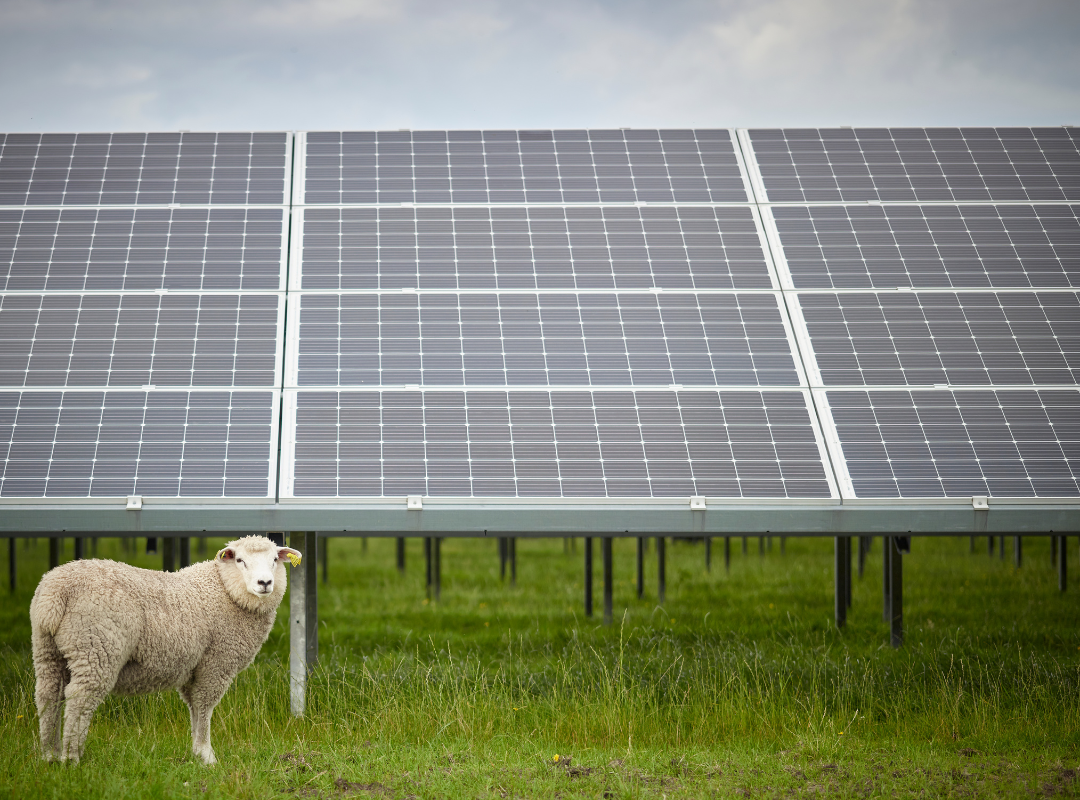
Agrivoltaics refers to photovoltaic systems installed above or alongside agricultural crops, enabling dual use of land: solar energy generation and continued farming activity. This approach offers advantages for distributed renewable generation, land efficiency and food security. Greece, following the lead of other EU countries, is developing country’s first agrivoltaics scheme, with approximately 130 MW. Under the current draft framework, applications for grid connection are expected to open in February 2026.
How Agrivoltaics Enhance Agricultural Activity
Agrivoltaics create a win-win scenario for both energy producers and farmers. One of the main advantages of agrivoltaics is the protection that PV structures provide. Elevated panels create partial shading and reduce extreme temperatures around the crops. In Greece and southern Europe, where recent summers regularly bring prolonged heatwaves, this can significantly decrease crops stress. At the same time, water consumption decreases, as shaded crops require less irrigation. This makes agrivoltaics especially valuable in regions facing water scarcity or tightening irrigation limits. As an example, University of Arizona researchers found that cherry tomatoes and various pepper varieties grown under solar panels used 65% less water, while reducing PV panel heat stress!
Technical Considerations for Successful Design
Agrivoltaics require more than simply raising panel height. System performance depends heavily on the coordination between agricultural and solar design parameters. Key factors include:
- Panel Height & Row SpacingPanels must allow farming equipment access throughout the year. Achieving the right combination is essential for maintaining agricultural productivity without compromising energy generation.
- Seasonal Shading and IrradiationLight requirements change throughout the year, making shading and irradiation simulations essential. This will drive the design such as installation of trackers or fixed tilt structures, height and spacing. Proper modelling ensures that the panels provide beneficial shading without restricting crop growth.
- Monitoring RequirementsAn agrivoltaics system should take an integrative approach – monitoring not only the electrical performance, but also the microclimatic conditions, soil moisture, irrigation use, plant ecophysiological function and plant biomass production within this ecosystem. This data allows operators to evaluate the real trade-offs and advantages compared to conventional PV installations.
Opportunities and Challenges Ahead
Agrivoltaics are gaining traction, but their success depends on a clear regulatory framework. Installation costs are higher and maintenance can be challenging, but supporting initiatives could address these barriers by:
- Developing industry best practises and standardised design guidelines,
- Establishing support mechanisms or tariffs, and
- Reserving grid capacity or granting priority for dual-use projects.
By 2050 global food demand may raise by 50%, putting immense pressure on the agricultural system, while the global electricity demand could increase by 75%. Agrivoltaics provide a sustainable solution to both these challenges.
Conclusion
Agrivoltaics present a compelling opportunity at a time when climate pressures, land-use constraints, and renewable-energy targets are intensifying worldwide. By combining agricultural production with clean energy generation, these systems create shared value for all stakeholders. As more countries introduce dedicated agrivoltaics policies and standards, the conditions are increasingly favourable for exploring dual-use solutions. When supported by solid technical planning and co-ordinated interdisciplinary effort, agrivoltaics can deliver long-term, resilient benefits across both the agricultural and energy sectors.
Written by Konstantinos Triantafyllou