5 Types of WTG Blade Damage
5 Types of WTG Blade Damage
Wind turbine blades: why are they important?
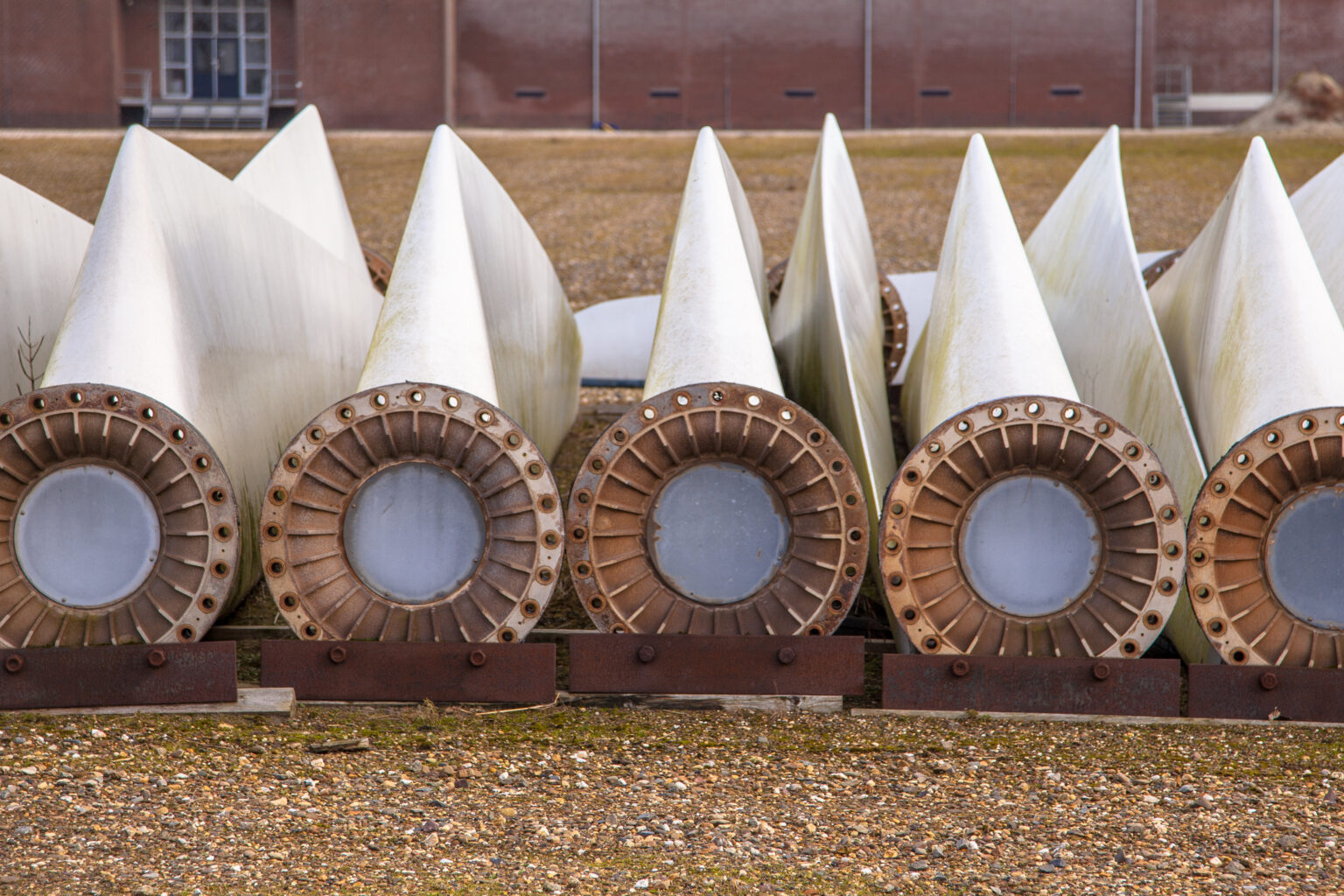
Wind turbine blades present a specific challenge and there are a number of blade damages that can happen throughout the lifetime of a WTG. Turbine blade damage is not only the most commonly-found type of damage among all other WTG components, but also one of the most expensive in terms of repair cost. This can occur in several ways and needs to be constantly monitored in order to avoid escalating into more serious problems. The majority of the power of the turbine is generated towards the leading edge and at the tips of the blades. Therefore, it is important to keep them well maintained. Outlined below are 5 different types of WTG blade damage, causes and preventions.
Types of blade damage
Blade cracks
Blade damage can vary from minor blade degradation (cracks and chips), to major issues that can severely damage the surface of the blade. Cracks can occur due to various factors, such as high temperatures or extreme weather conditions. However, they are typically identified on routine inspections and can be easily repaired. The same cannot be said for web cracks, which may not be immediately noticeable. These types of cracks appear internally, due to high blade stress and require a complex repair by highly skilled engineers.
Leading edge erosion (LEE)
Leading edge erosion, possibly the most common and talked about issue, can significantly affect performance of the WTG and subsequently the energy output. Initially, turbines were manufactured without protection, and they would start to erode early into their warranty period. This has recently changed and now leading edge protection (LEP) is installed during the manufacturing stage. Prior to this, asset owners need to be aware and plan ahead for leading edge erosion prevention. This includes the application of blade protection tape, paint or longer lasting polyurethane shells, in order to protect their investment. Read more about LEE here.
Delamination
Structural damage, blade stress, or manufacturing defect can also cause delamination. This involves the splitting of laminate layers and, at times, blade bending 2 to 5 meters at the tips. Delamination of the glue lines can also cause blade cracks, most commonly on the trailing edge. This can impact variables such as blade strength and stability.
Blade furniture detachment
Certain blade furniture can simply deteriorate or detach over time. This can happen due to poor application, design fault from the factory or stress. Initially, some blade furniture was made from plastic and not resilient to UV. Because of this, the glue would deteriorate and fall off. The selected material then needs to be resistant to temperature variations and have good bonding properties.
Lightning strikes damage
Possibly the most damaging blade issues are caused by lightning strikes. This is usually brought about by the remote locations and unstable environments in which WTGs function. They are highly susceptible to issues related to extreme weather conditions. The impact on the structure of the blade is noticeable and the repairs are very costly, often leading to long turbine downtime. It is crucial that the lightning protection systems (LPS) are working properly and inspected periodically.
Prevention methods
Blade issues are detrimental to the overall WTG health. They need to be identified as early as possible in order to avoid other potential failures in the tower. Greensolver are industry experts that offer various blade inspection methods, such as drone and ground based camera inspections. We believe that prevention and early detection of blade damage is the best solution to improve asset performance and reduce costs. Our asset managers and engineering team are highly skilled in performing external blade inspections, using the newest technology and equipment.
Find out more about our external blade inspection services here.